As 2026 approaches, many married and divorced Americans are taking a closer look at Social Security spousal benefits. With retirement costs rising and fixed incomes under pressure, these benefits can play an important role in providing financial stability. Spousal benefits are meant to support people who did not earn enough on their own or spent years outside the workforce, but the rules are specific and often misunderstood.
What Social Security Spousal Benefits Are
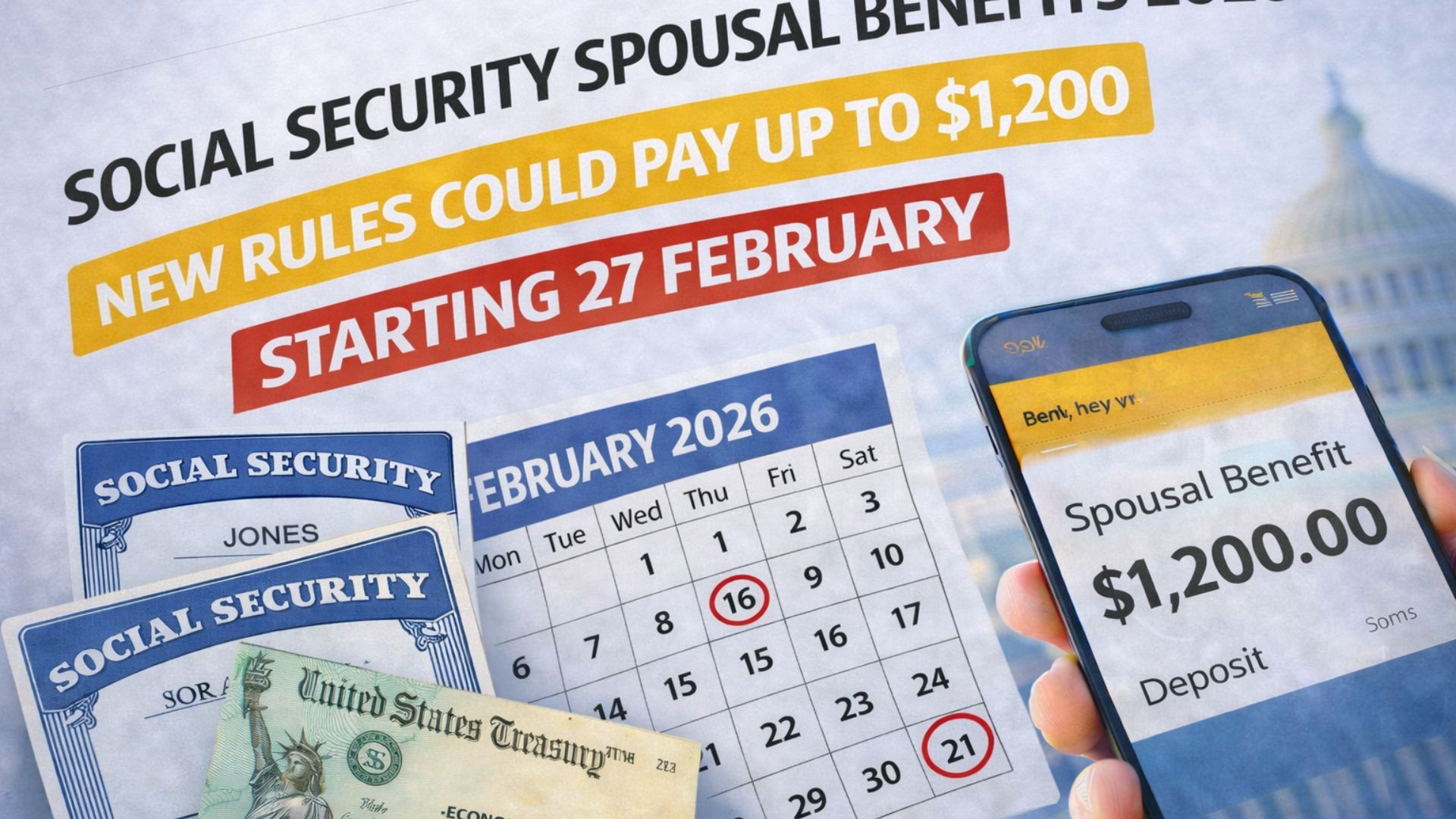
Social Security spousal benefits allow one spouse to receive payments based on the work record of the other spouse. This option is especially helpful for individuals who earned lower wages or focused on unpaid responsibilities such as caregiving. At full retirement age, a qualifying spouse may receive up to fifty percent of the working spouse’s benefit. Importantly, this does not reduce the worker’s own Social Security payment, as spousal benefits are calculated separately.
Basic Eligibility Rules to Know
To qualify, the spouse applying for benefits is usually required to be at least sixty-two years old. In certain cases, a younger spouse may qualify if they are caring for a child who is disabled or under sixteen. The working spouse must have already filed for Social Security retirement or disability benefits before spousal payments can begin.

Divorced individuals may also qualify. If a marriage lasted at least ten years and the divorced spouse has not remarried, they may be eligible for spousal benefits. In many situations, they can qualify even if their former spouse has not yet claimed benefits, as long as age requirements are met.
How Spousal Benefit Amounts Are Calculated
Spousal benefits are based on the worker’s full retirement age benefit, not the reduced amount the worker may receive if they claimed early. The maximum benefit is available only if the spouse applies at full retirement age. Applying earlier results in a permanent reduction. Waiting beyond full retirement age does not increase spousal benefits, which is a common misunderstanding.
If someone qualifies for both their own retirement benefit and a spousal benefit, Social Security pays the individual benefit first. If the spousal amount is higher, an extra payment is added to reach the spousal level, but the two are not paid in full together.

Payment Timing and Common Mistakes
Spousal benefits follow the standard Social Security payment schedule, usually issued monthly based on the recipient’s date of birth. Claiming too early is one of the most common mistakes and can significantly reduce lifetime income. Divorced individuals also miss benefits simply because they do not realize they qualify.
Applying and Planning Ahead
Applying requires basic identification and proof of marriage or divorce. Applications can be submitted online, by phone, or in person through the Social Security Administration. Understanding the rules early helps couples and individuals make confident decisions and avoid lost income during retirement.
Disclaimer: This article is for general informational purposes only and does not provide legal, financial, or retirement advice. Social Security rules, benefit amounts, and eligibility criteria may change and depend on individual circumstances. Readers should confirm details directly with the Social Security Administration or consult a qualified professional before making benefit-related decisions.