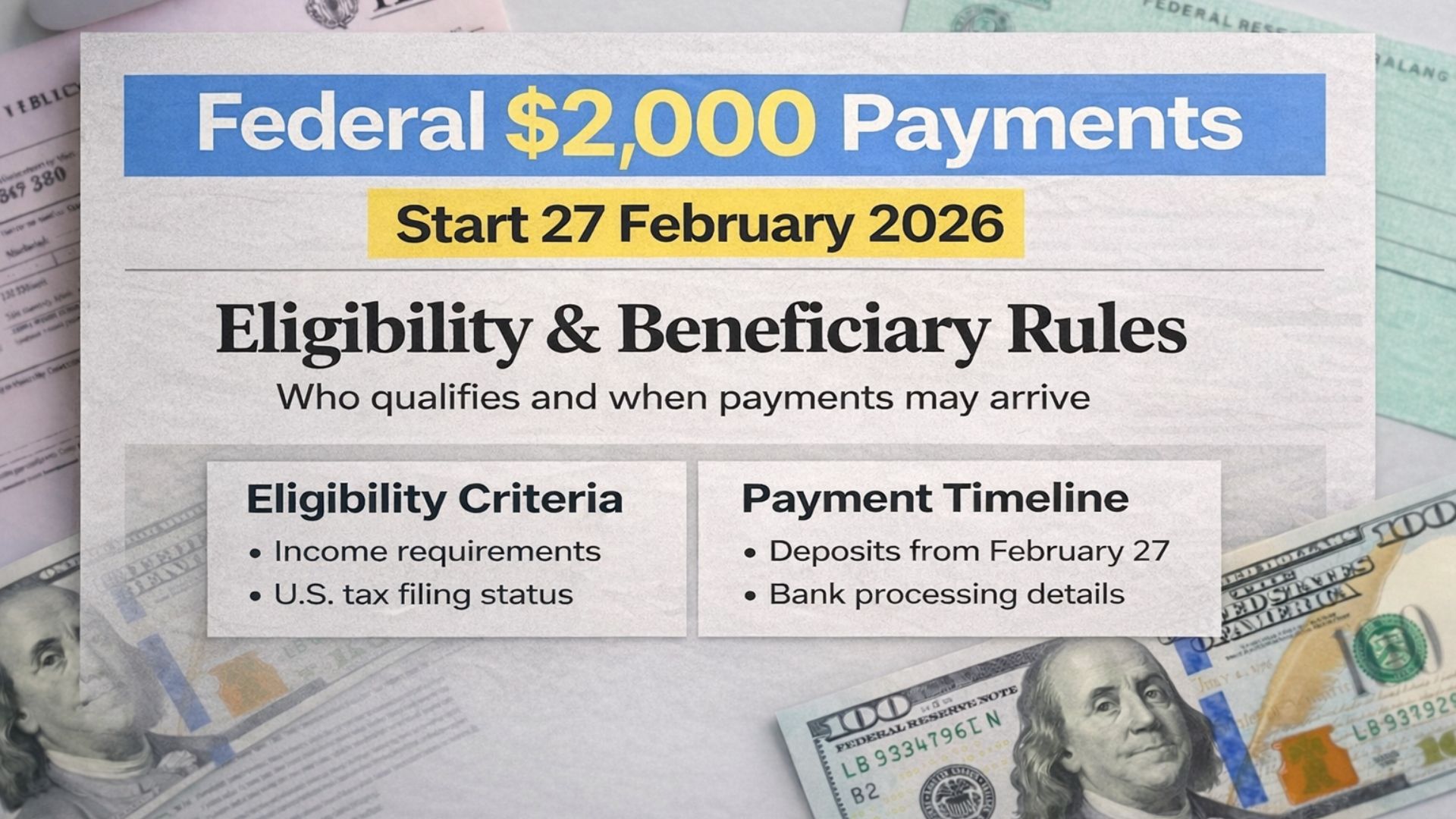
As the 2026 tax season begins, millions of Americans are preparing to file their 2025 federal income tax returns. For many households, a tax refund is not extra money but an important financial support used for rent, school fees, medical bills, or paying off pending expenses. Knowing how the IRS refund process works in 2026 can help taxpayers plan ahead and reduce uncertainty during tax season.
When the IRS Will Start Accepting Tax Returns
The IRS is expected to begin accepting and processing 2025 tax returns in the last week of February 2026, following its usual yearly pattern. Even if tax software allows early submission, the IRS will not start reviewing returns until its systems officially open. Sending a return before this date does not make the refund arrive faster.
Tax Filing Deadline and Extensions
The normal deadline to file a 2025 tax return is April 15, 2026. Taxpayers can request a filing extension if they need more time, but an extension only delays paperwork, not tax payments or refunds. Filing closer to the deadline may also slow processing because IRS systems handle a much larger volume of returns.

How IRS Refund Timing Works
IRS refunds do not follow a fixed payment calendar. Each return is reviewed individually, so refund timing depends on filing method, accuracy, and income complexity. Most electronically filed returns with direct deposit are processed within about 21 days, but this is an estimate, not a guarantee.
Reasons Refunds Can Be Delayed
Returns that include credits like the Earned Income Tax Credit or the Additional Child Tax Credit often take longer because the IRS performs extra fraud checks. Errors, missing income details, or mismatched information can also cause refunds to be delayed for manual review.
Tracking Your Refund Status
The IRS “Where’s My Refund?” tool is the most reliable way to check refund progress. It updates once daily and shows whether the return has been received, approved, or sent. After approval, it can still take one or two business days for the money to appear in a bank account due to bank processing time.

Why Filing Early Can Help
Filing early in the season can reduce delays because IRS systems are less crowded. It also lowers the risk of tax identity theft. However, accuracy matters more than speed, as incorrect returns almost always take longer to process.
What to Expect in the 2026 Tax Season
While IRS systems continue to improve, delays are still possible due to fraud prevention checks and staffing limits. Refund dates should be treated as estimates, not fixed promises.
Disclaimer
This article is for informational purposes only and does not provide legal, tax, or financial advice. IRS rules, refund timelines, and eligibility criteria may change and vary based on individual circumstances. Readers should refer to official IRS resources or consult a qualified tax professional for accurate and up-to-date guidance.